Top 10 Free Email Providers in 2026 for Developers & Small Websites
31 Views
Email APIs are essential for modern applications—whether you're building authentication systems, transactional notifications, or marketing campaigns. In 2026, several providers offer free tiers that are perfect for startups, indie hackers, and small-scale projects.
However, not all “free plans” are equal.
👉 Some provide only outbound emails 👉 Some include inbound (receiving emails) 👉 Others focus on marketing instead of transactional emails
This guide covers the Top 10 Free Email Providers in 2026, focusing on:
- Developer experience
- Free pricing limits (~5,000/month benchmark)
- Features (API, SMTP, inbound, webhooks)
1. Resend
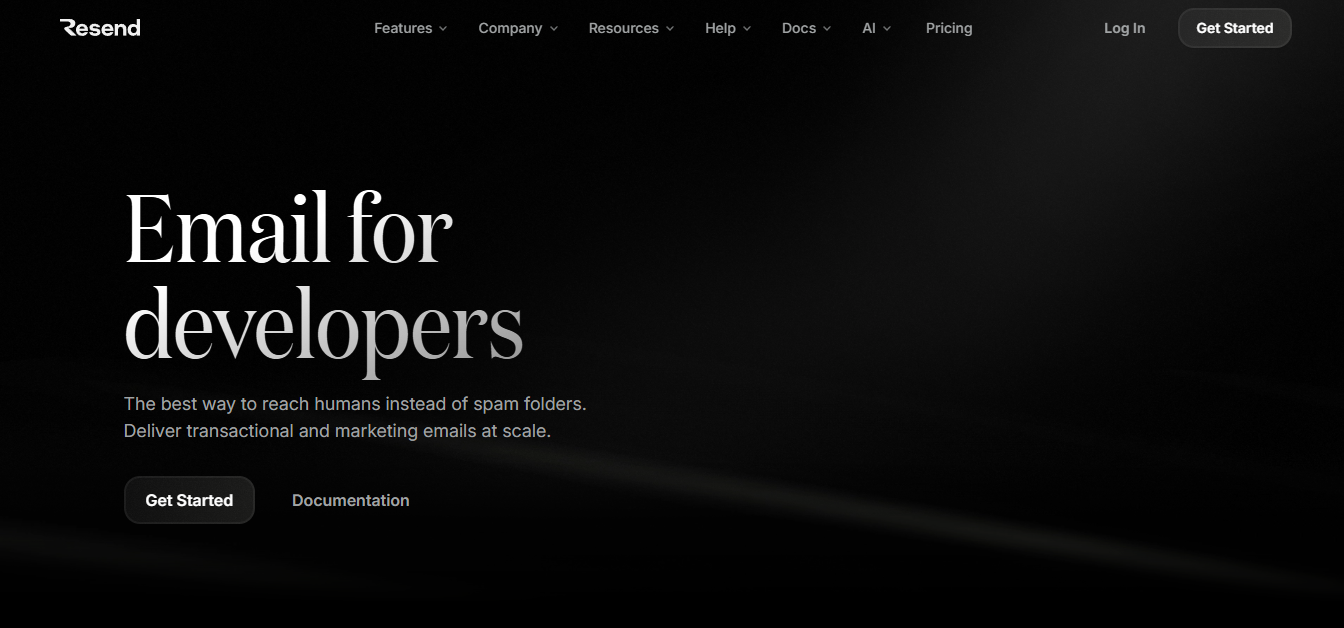
Resend is a modern developer-first email API designed for simplicity, speed, and seamless integration with frameworks like Next.js. It focuses heavily on transactional emails and provides a clean API experience with strong TypeScript support. The platform is gaining popularity among developers for its minimal setup and high deliverability.
💰 Pricing (Free)
- Monthly: 3,000 emails
- Daily: 100 emails
⚙️ Features
- It provides a clean and developer-friendly API that integrates easily with modern frameworks.
- It supports React Email templates, making UI-based email design easier for developers.
- It offers webhook support for tracking events like delivery and opens.
- It ensures high deliverability with domain authentication and optimized infrastructure.
❌ Limitations
- It does not support inbound email receiving on the free plan.
- It is focused only on transactional emails and lacks marketing tools.
2. AhaSend
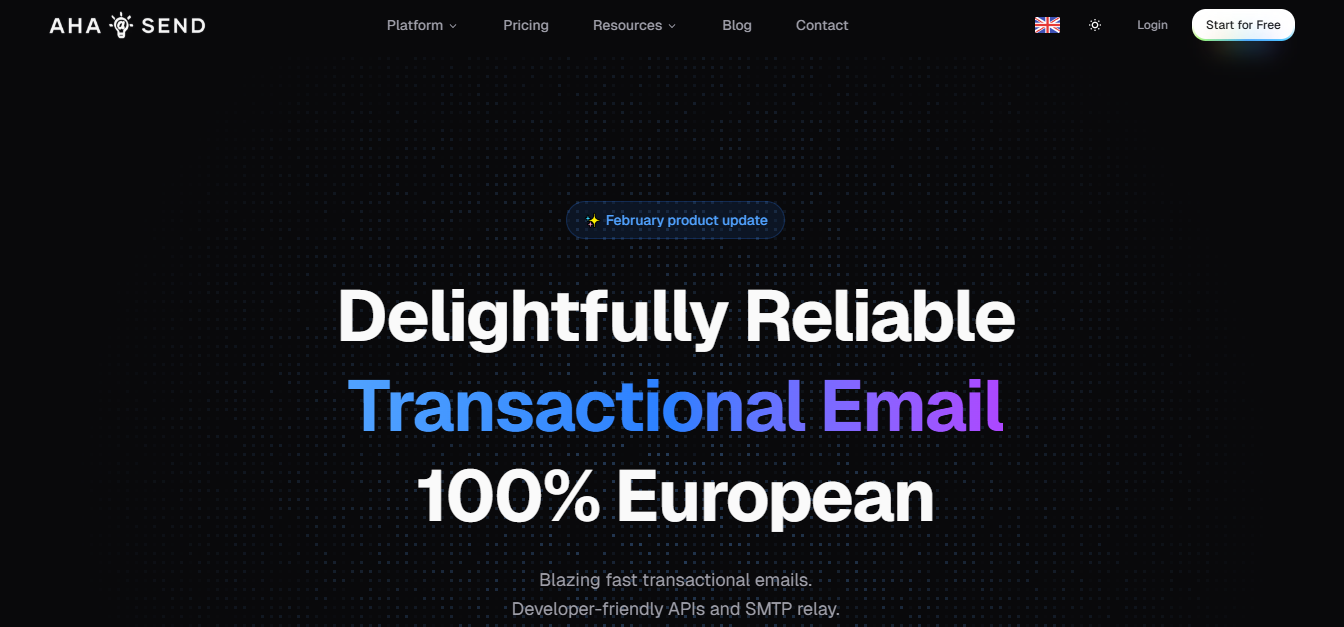
AhaSend is a lightweight transactional email service built for speed and simplicity. It offers both API and SMTP support and aims to provide a fast and reliable sending experience without unnecessary complexity. The platform is suitable for developers who want a straightforward email solution.
💰 Pricing (Free)
- Monthly: Up to ~5,000 emails
⚙️ Features
- It provides both API and SMTP integration options for flexible implementation.
- It supports inbound email routing, allowing basic email receiving functionality.
- It offers a simple dashboard for monitoring email activity and logs.
- It focuses on fast delivery speeds and minimal latency.
❌ Limitations
- It has a smaller ecosystem compared to larger competitors.
- It offers limited documentation and community support.
3. Unosend
Unosend is an emerging email API platform designed as a lightweight alternative to modern services. It focuses on providing essential email functionality with minimal overhead, making it ideal for MVPs and indie projects. The platform is still evolving but shows promise in developer usability.
💰 Pricing (Free)
- Monthly: Around 5,000 emails
⚙️ Features
- It provides REST API and SMTP support for sending emails.
- It includes real-time logs for tracking email delivery and activity.
- It supports custom domain verification for better deliverability.
- It offers a simple and clean dashboard for managing email operations.
❌ Limitations
- It is relatively new and not fully battle-tested in production environments.
- It may have limited infrastructure compared to established providers.
4. Mailjet
Mailjet is a well-established email platform that supports both transactional and marketing emails. It provides a balance between developer tools and user-friendly interfaces, including a drag-and-drop email builder. It is widely used by small businesses and teams.
💰 Pricing (Free)
- Monthly: 6,000 emails
- Daily: 200 emails
⚙️ Features
- It offers both API and SMTP for flexible email integration.
- It includes a visual email builder for designing campaigns without coding.
- It provides analytics and reporting tools for tracking performance.
- It supports webhooks for event-based automation.
❌ Limitations
- It enforces a daily sending limit even on the free plan.
- It may include branding in emails on the free tier.
5. Mailtrap
Mailtrap is primarily designed for safe email testing and development environments. It allows developers to test email workflows without sending real emails to users. Recently, it has expanded into transactional email sending as well.
💰 Pricing (Free)
- Monthly: Around 1,000 emails
⚙️ Features
- It provides a sandbox environment for testing email functionality safely.
- It supports SMTP and API integration for development workflows.
- It includes email preview and spam analysis tools.
- It allows debugging of email templates and headers.
❌ Limitations
- It is more focused on testing rather than production sending.
- It has limited sending capacity for live applications.
6. Twilio SendGrid
Twilio SendGrid is a robust and scalable email platform used by enterprises worldwide. It offers a wide range of features including transactional and marketing emails. It is part of the larger Twilio ecosystem, making it suitable for large-scale applications.
💰 Pricing (Free)
- Monthly: Around 3,000 emails
- Daily: 100 emails
⚙️ Features
- It provides powerful API and SMTP integration for developers.
- It includes email templates and automation tools.
- It offers detailed analytics and reporting features.
- It supports large-scale email delivery with global infrastructure.
❌ Limitations
- It has a complex interface that may be difficult for beginners.
- It has reduced free tier benefits compared to earlier versions.
7. Brevo
Brevo (formerly Sendinblue) is an all-in-one communication platform offering email, SMS, and marketing automation. It combines transactional email capabilities with marketing tools, making it ideal for growing businesses.
💰 Pricing (Free)
- Monthly: Unlimited contacts
- Daily: 300 emails (~9,000/month)
⚙️ Features
- It supports both transactional and marketing email campaigns.
- It includes CRM, SMS, and automation tools in one platform.
- It allows unlimited contact storage even on the free plan.
- It provides API and SMTP integration for developers.
❌ Limitations
- It enforces a daily sending limit instead of a pure monthly quota.
- It includes branding in emails on the free plan.
8. Mailgun
Mailgun is a powerful developer-focused email service known for its flexibility and advanced capabilities. It is widely used for both sending and receiving emails, making it one of the few platforms with strong inbound support.
💰 Pricing (Free)
- Monthly: Around 3,000 emails
⚙️ Features
- It provides advanced API and SMTP support for sending emails.
- It supports inbound email routing with webhook integration.
- It offers email validation tools for improving deliverability.
- It includes detailed logs and analytics for monitoring performance.
❌ Limitations
- It requires technical knowledge for proper setup and configuration.
- It limits logs and features on the free plan.
9. Maileroo
Maileroo is a simple and affordable transactional email service designed for small developers and startups. It focuses on ease of use and provides essential features without unnecessary complexity.
💰 Pricing (Free)
- Monthly: Around 3,000–5,000 emails
⚙️ Features
- It provides SMTP and API support for sending emails.
- It offers a simple dashboard for managing email activity.
- It includes analytics for tracking email performance.
- It allows quick setup with minimal configuration.
❌ Limitations
- It has a smaller ecosystem and fewer integrations.
- It may lack advanced features available in larger platforms.
10. Twilio Email API
Twilio Email API is part of the Twilio ecosystem and offers scalable email delivery services. It is designed for applications that require reliable and global communication infrastructure.
💰 Pricing (Free)
- Monthly: Around 3,000 emails
⚙️ Features
- It provides global infrastructure for reliable email delivery.
- It supports API and SMTP integration for developers.
- It integrates with other Twilio communication services.
- It offers scalability for growing applications.
❌ Limitations
- It becomes expensive as usage increases.
- It requires more setup compared to simpler providers.
| Provider | Free Monthly | Inbound | API | Best For |
|---|---|---|---|---|
| Resend | 3,000 | ❌ | ✅ | Developers |
| AhaSend | ~1k–5k | ✅ | ✅ | Small apps |
| Unsend | ~5,000 | ✅ | ✅ | MVP |
| Mailjet | 6,000 | ❌ | ✅ | Hybrid use |
| Mailtrap | ~1,000 | ❌ | ✅ | Testing |
| SendGrid | 3,000 | ❌ | ✅ | Enterprise |
| Brevo | 9,000 | ❌ | ✅ | Marketing |
| Mailgun | 3,000 | ✅ | ✅ | Advanced dev |
| Maileroo | ~5,000 | ❌ | ✅ | Budget |
| Twilio Email | 3,000 | ❌ | ✅ | Scaling |
🏁 Conclusion
Choosing the right email provider depends on your project needs. Developers looking for simplicity should consider modern APIs, while businesses needing marketing tools should choose hybrid platforms. For inbound email handling, only a few providers offer full support on free tiers, so combining services is often the best strategy.